My morning Zoom Minyan since March 2020, as seen from my dining room
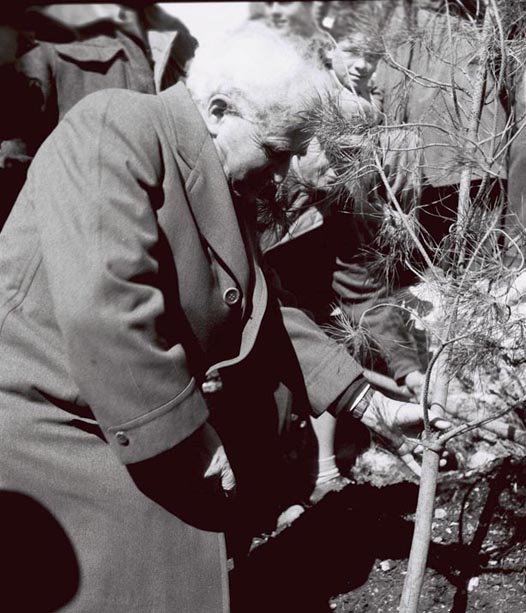
This Friday I complete my eleven months of saying kaddish for my mother. I had a fairly unique mourning experience from the very start. I learned of my mother's death just after boarding a wifi enabled tour bus following a jeep ride in the Jezreel Valley of Israel (and just before I found it on social media). The day of my mother's funeral I entered Jerusalem and said my first kaddish when the 10th for minyan entered Moreshet Yisrael on Agron St during Yigdal during Friday night ma'ariv. On Sunday, the first full day of shiva, I planted a tree in Be'er Sheva. I completed shiva while staying with my friends Yossi and Dina in Binyamina, where I couldn't find a daily minyan, so I drove every morning of Shiva to the "small shul" in Pardes Hanna, except for Shabbat.
After a few more days in Binyamina, I spent most of the next 10 days at Moshav Aviezer, going to a 5:30 am minyan in a beautiful building with a particularly unfriendly group of people, except that I spent Shabbat with friends Kenny and Tzippi Krupat in Ra'anana. I wrote to my "home minyan" in Rockville, letting them know I missed them and was looking forward to joining them when I got home. In the following months I said kaddish at mincha in a kosher bakery (the Babka minyan), in Statesville, at Emory Hillel, at Beth El in Omaha, in Manhattan, Queens and Long Island, and since Shushan Purim, in my dining room on Zoom.
I was pretty conscientious; I only missed a handful of days. I'm sure my mother would not have understood it. I'm not sure I do. I would not have spent all that time with her. I found my conversations with her difficult in the last several years, and didn't seek out her company often. She definitely would point that out if she were here to tell me.
I think we all look at the concept of chiyuv, obligation, through our own lens. Certain things are expected by tradition. I happen to be comfortable with regular fixed prayer. Starting my day with prayer gives me time to be still, quiet, thoughtful, intentional. I'm not always 100% focused. I've checked my phone during the service. I've joked with friends. But I'm there, for myself and for others looking for a minyan. I think I'll continue to show up most days, both for myself and for others. As long as I don't have to leave the house to join, its hard to find an excuse not to.
COVID-19 made other aspects of a year of mourning pretty easy - almost thoughtless. Avoid parties, theater, concerts, celebrations? I didn't have to try to avoid them - for 4 months there haven't been any. Have I grown? I don't know. Have I shown fidelity to a tradition that informs my role as a son? I think, for the most part I have. I've come to terms with not having been the best son, but I was a very conscientious mourner. To the extent that that is also a sign of respect and fulfilling of an obligation, I feel pretty good about that.
The hardest part, of my distant (from home) shiva and mourning during this pandemic generally is the enforced distancing; not being able to be close to people, not being able to show respect for the met (person who has died) and the mourner by showing up at a funeral or shiva, not feeling the closeness. I have commented that it's nice not to have to juggle refrigerator space during shiva or make idle conversation when you're not really in the mood for it. Otherwise, I'm not a fan of social-distanced mourning.
I have a month until the first yahrzeit which I will observe with a candle, tzedakah and kaddish. Then we turn the page and move forward.